
PARODONTOLOGY OR PERIODONTOLOGY
Periodontitis
It is an advanced type of gum infection that affects not only the gums but also the bone that holds the teeth in place. It is a condition that, if not treated promptly, it may cause tooth loss and other more serious health problems.
Symptoms
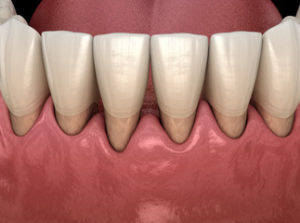
The symptoms of periodontitis are usually painful and the patient notices them immediately.
- Swollen gums.
- Sensitive gums that easily bleed.
- Gums the recede and are separated from the teeth.
- Intense red or purple color on the gums.
- Gaps between teeth that did not exist.
- Feeling that teeth are closing in on chewing differently.
Treatment
Proper treatment of periodontitis could stop its progression. Periodontitis is treated with deep cleansing of the plaque and tartar around and below the gum line (radical abrasion/scraping).
Radical Abrasion/Scraping
Radical abrasion is the cleaning of the teeth and their roots from the dental plaque and tartar attached to them. Apart from the radical abrasion, any patches of root surfaces can also be smoothed, which may be areas of accumulation of dental plaque.
The abrasion and smoothing of the roots suspends the progression of periodontitis.
Procedure of Radical Abrasion/Scraping
During radical scraping, a special ultrasound device is used with special scrapers, which deeply cleans the gums and the part of the tooth under the gums. Hand tools may also be used in some cases for more effective treatment. A special medicine is then topically applied with antimicrobial and healing action.
The procedure is usually completed in 2-4 visits depending on whether the treatment is completed on a half-term or a quarter basis.
It is important to note that patients with periodontal problems often report a degree of sensitivity to the teeth and gums before a treatment begins. Thus, in order not to discomfort the patient and to provide him with a painless treatment, local anesthesia is necessary.